Richmond Top Home Architecture Services Creating Beautiful Living Spaces
Elevate Your Home With Professional Architecture Services
Optimizing a home through expert design consultation involves more than just visual elements. It requires a deep understanding of usable design and state construction regulations. Partnering with an experienced architect can tackle common challenges while enhancing property equity. The process is strategic and thorough, guaranteeing that every detail aligns with the homeowner's expectations. Yet, many homeowners encounter challenges to navigate this journey effectively. What steps can they take to secure a successful partnership?
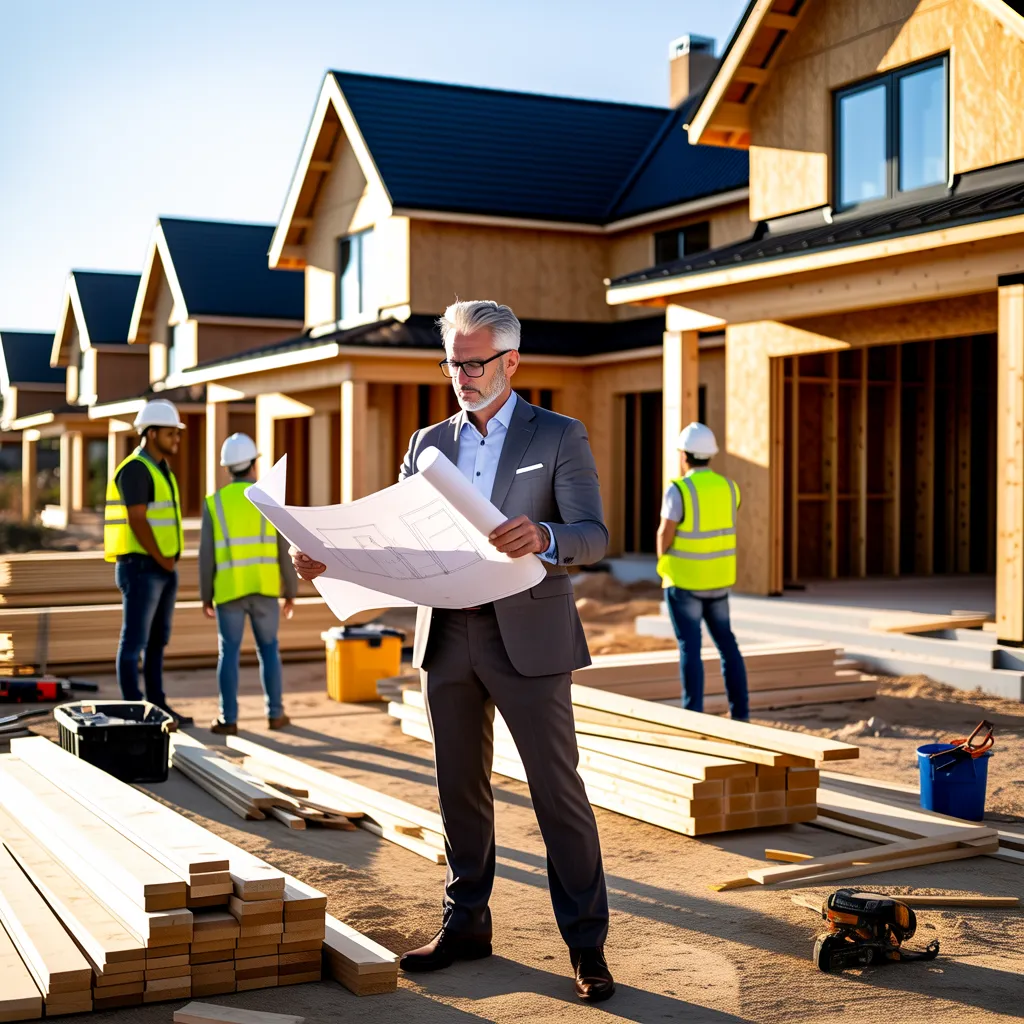
Standard Home Design Complications and Techniques Architects Address Them
What makes home design so challenging for countless homeowners? The complexity of merging personal design preferences with everyday needs often overwhelms them. Homeowners regularly struggle with room constraints, budget challenges, and regulatory standards, complicating harder. Additionally, many do not have the technical knowledge needed to manage structural challenges and building codes.
Architects constitute an vital role in reducing these issues. Their expertise enables them to handle the nuances of design, confirming that a homeowner's goal harmonizes with concrete circumstances. Architects can present novel approaches to improve space while following health requirements. They also participate in forming integrated designs that express the homeowner's taste. By sharing knowledge into substances and construction processes, architects support accelerate the decision stage. In the end, their competence converts a seemingly challenging project into a joint process, nurturing a equilibrated balance between originality and usefulness in residential design.
Advantages of Collaborating With a Professional Architect
Engaging a trained specialist improves the residential design journey by merging professional insight with the client's aspirations. Architects bring a rich background in design methodologies, regulatory requirements, and sustainable techniques, guaranteeing that the endeavor not only achieves aesthetic goals but also adheres to legal requirements. Their skill in picturing and express elaborate concepts assists translating conceptual ideas into concrete plans.
Furthermore, architects can provide cutting-edge solutions to design barriers, optimizing layout and functionality. They also manage the complications of the construction phase, coordinating with contractors and suppliers to copyright finances and schedules are observed. This professional direction minimizes errors and mitigates the worry inherent in home building or remodeling. In conclusion, engaging with an architect results in a well-crafted, unified space that reflects the homeowner's personality while enhancing overall property worth.
What Make Up the Vital Elements in the Architectural Process?
Why is understanding the architectural process important from initial idea to completion? The experience starts with an initial consultation, where the designer and client review goals, needs, and financial considerations. This phase is fundamental for building a solid direction. Afterward, the architect executes location review, evaluating factors like terrain, weather characteristics, and zoning regulations.
Next, the conceptual stage begins. During this time, preliminary drawings and digital representations are created, letting the client to visualize the project. After the design is locked in, the architect puts together detailed construction documents, including specifications and drawings.
Once required permits are obtained, the project moves into the construction phase. The architect often works with contractors to ensure that the design is implemented correctly. Frequent on-site inspections and assessments help preserve quality and compliance to the original vision. Finally, the project concludes in a walkthrough, verifying that the finished structure satisfies the client's expectations before the official handover.
How Do You Locate the Ideal Architect for Your Home?
Choosing the suitable professional for a property involves careful consideration and research. Prospective homeowners should commence by defining their specific requirements and financial constraints, which will inform their pursuit. Guidance from contacts, family, or real estate professionals can furnish worthwhile connections. Internet portfolios and assessments assist in evaluating an architect's previous work and client happiness.
Next, prospective clients should interview multiple prospects to learn about this assess their manner of speaking, experience, and approach to design. It's essential to discuss timelines and project expectations to guarantee alignment. Furthermore, confirming qualifications and checking for proper licensing and credentials can avoid potential issues down the line.
Finally, homeowners should rely on their instincts. The perfect architect should not only have the required skills but also resonate with the homeowner's goals and principles. This synergy creates a working relationship, eventually resulting in a successful partnership in creating a dream home.
Ways to Convey Your Vision Competently
Articulating a vision for home design effectively is critical for a successful alliance between homeowners and design professionals. To reach this goal, homeowners should initiate by plainly stating their requirements and preferences. Making a mood board with images, shades, and components can assist in expressing aesthetic desires. Additionally, detailing functional demands, such as dimensions and layout, assures that the designer understands concrete details.
Property owners should also engage in open dialogue, promoting questions and feedback to improve their vision. Regular check-ins during the design process foster teamwork and openness. Employing straightforward language to convey ideas and concerns can prevent confusion and help align goals.
In conclusion, embracing the architect's proficiency facilitates a more lively conversation. By uniting personal vision with professional insight, homeowners can build a collaborative connection that produces a beautifully designed space embodying their aspirations.
How to Plan finances for Architectural design Solutions
As you commence a home design project, establishing a budget for architecture services is necessary to avert financial strain later. Homeowners should begin by researching typical fees in their area, which can vary based on the project's complexity and the architect's experience. It is sensible to allocate a percentage of the overall project cost specifically for architectural services, typically ranging from 5% to 15%.
Next, potential clients should review the breadth of services needed—whether they require complete design and project management or only initial consultations. Engaging in candid discussions with prospective architects regarding their fee structures can shed light on expenses.
Additionally, homeowners should account for possible expenses and revisions, creating a buffer in the budget. By clearly defining their monetary limits in advance, customers can ensure they select an architect who aligns with their vision while remaining within their budget constraints.
Popular Questions Asked Often
What Choices of Building Design Should I Pick for My Home?
Homeowners are able to opt for from various architectural styles, featuring modern, traditional, colonial, Mediterranean, and contemporary. Each style offers unique aesthetics and functionality, allowing individuals to convey personal taste while considering regional influences and environmental factors.
How Much Time Does the Structural Design Process Typically Consume?
The design process typically takes many months, based on design complexity, design approvals, and local regulations. Elements such as client comments and construction schedules can also impact the duration significantly throughout the project.
Can Architects Contribute To Environmentally conscious Design Choices?
Architects can definitely support with sustainable design options. They incorporate eco-friendly materials, efficient energy systems, and creative designs, ensuring projects minimize environmental impact while boosting functionality and aesthetic appeal, aligning with clients' sustainability goals effectively.
What Requirements Should I Seek in an Building Designer?
When hiring an design specialist, one should look at their education, accreditation, involvement in related assignments, selection of projects highlighting their design sensibility, and grasp of local compliance standards. Ability to communicate effectively and client testimonials also prove essential in the decision-making process.
In What Ways Do Design Experts Navigate Zoning and Permit Matters?
Architects handle regulatory challenges by conducting thorough research on local regulations, assembling required paperwork, and liaising with municipal authorities. Their knowledge ensures compliance, expediting the approval process for customer developments effectively.